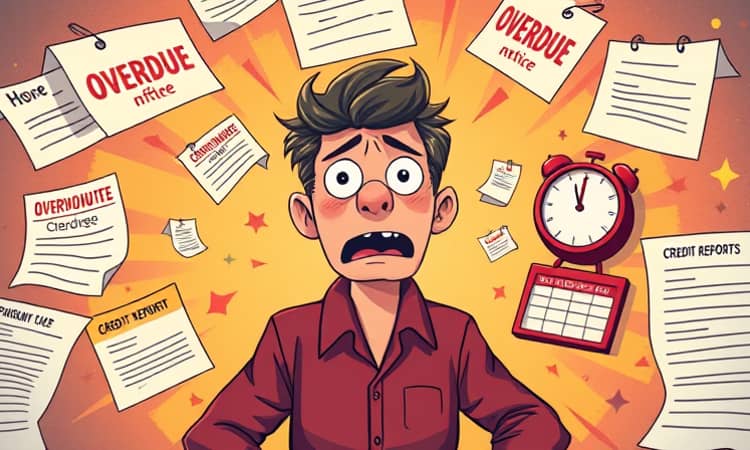
Missing a loan payment can trigger a chain reaction of financial and emotional stress. Understanding each stage of this process helps you navigate challenges and regain control.
Timeline of Consequences
The journey from a single missed payment to full default unfolds in clear phases. Each period carries its own risks, costs, and opportunities to intervene before things get worse.
Immediate Effects (0-30 Days): Lenders often grant a brief grace period, but once it ends, you face additional charges and warnings.
- Payment reminders and notices arrive from your lender
- Late fees are assessed, typically $25 or up to 5% of your due amount
- You lose the grace period and incur penalty interest rates
- Lender-defined cutoffs (like 8:00 PM EST or midnight) affect timeliness
Short-Term Consequences (30-60 Days): When a payment remains unpaid beyond thirty days, your account officially becomes delinquent.
At this juncture, your lender reports the late payment to credit bureaus, planting a negative mark that lingers for years. This notation can make future borrowing costlier or more difficult.
Medium-Term Consequences (60-120 Days): As delinquency persists, contact attempts escalate and credit damage deepens.
Your missed payments appear in 30-day increments on your credit file. Student loan servicers and other lenders typically report these delinquencies after 90 days, increasing the severity of the blemish. Between three and six months, the account may transition from delinquency to default status, triggering harsher penalties.
Long-Term Consequences (120+ Days): Without resolution, the lender moves to close the chapter on unpaid debt.
After six months of nonpayment, most lenders will "charge off" the account and transfer it to a collection agency. This step creates a separate collections entry on your credit report and can lead to legal actions, including court-ordered liens, wage garnishment, or even property repossession in extreme cases.
Financial Impacts
Beyond credit harm, missing payments directly increases your cost of borrowing. Penalty fees and higher interest rates can compound rapidly, extending your debt burden and stress.
- Late fees quickly add up, especially for mortgages charging 3–6% of the payment
- Credit cards often levy $25 or more for first offenses, with steeper fees for repeat late payments
- Penalty interest rates can almost double your standard rate on remaining balances
- Accumulated fees become part of the principal, creating a cycle that is tough to break
For example, the same $5,000 loan at 4.5% interest requires monthly payments of $93.22, whereas at a 9% penalty rate, payments jump to $103.79. Over time, that extra $10.57 per month can derail budgets and delay debt freedom.
Credit Score Effects
Your payment history makes up about 35% of most credit scoring models, making timely payments critical. Once a late payment is reported, it remains on your credit report for seven years, even if you later bring the account current.
- Delinquencies reduce your credit score and raise future loan costs
- Missed payments are more damaging than high credit utilization
- Once reported, late marks cannot be erased, only aged off over time
- Additional borrowings become harder to obtain or more expensive
Real-World Example: Student Loan Crisis
As of March 2025, nearly 9.7 million student loan borrowers have fallen behind on payments since federal relief measures ended. Over 15.6% of federal loans were delinquent by the closing of the on-ramp period, representing more than $250 billion in outstanding debt.
In 2025, these delinquent federal loans are once again being reported to credit agencies, threatening many young adults’ ability to finance homes, cars, or even future educational opportunities. The ripple effect extends through communities, as rising collection activities strain household budgets and local economies.
Prevention and Management Strategies
Proactive planning and clear communication with lenders are your best defenses against missed-payment fallout. Even small adjustments can keep you on track and protect your credit health.
How to Avoid Late Payments: Enroll in automatic payments, set reminder alerts, or make early payments whenever possible to stay ahead of due dates. Many lenders also offer customized notifications through mobile apps or email.
When You’re Already Late: If you catch up within the first 30 days, you may prevent the reported delinquency. Contact your lender immediately to explore hardship options, modified payment plans, or temporary forbearance. Understanding your loan terms and communicating proactively can stave off severe penalties.
Remember that many employers offer education cost assistance benefits, and nonprofit credit counselors can help you negotiate with lenders. By taking action early, you preserve your financial flexibility and reduce stress.
Ultimately, missed payments need not define your financial future. Armed with knowledge of the timeline, potential costs, and practical remedies, you can navigate challenges and chart a path back to stability and confidence.
References
- https://www.investopedia.com/terms/p/past-due.asp
- https://www.navymutual.org/mutually-speaking/general/what-happens-when-you-miss-a-credit-card-or-loan-payment/
- https://autopayplus.com/how-missed-payments-can-negatively-impact-your-financial-health/
- https://studentaid.gov/manage-loans/default
- https://upstarthelp.upstart.com/late-missed-payments/what-happens-if-i-am-late-on-my-payment
- https://www.plansponsor.com/9m-student-loan-borrowers-late-on-payments-showing-increased-financial-stress/
- https://www.investopedia.com/terms/l/loan.asp
- https://www.experian.com/blogs/ask-experian/what-happens-if-you-dont-pay-back-personal-loan/