
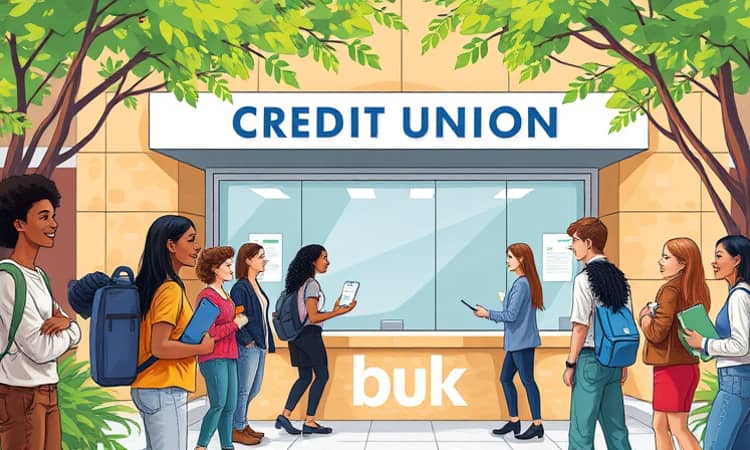
For many students and faculty, navigating college finances can be overwhelming. Between tuition invoices, textbook costs, and the desire to enjoy campus life, the financial institutions you choose play a vital role. Traditional banks have long been the go-to, but an alternative with deep local roots has emerged: campus credit unions. By offering a cooperative model focused on member well-being, they promise lower fees compared to traditional banks and a personalized touch. Yet, like any organization, they have trade-offs. In this article, we’ll explore how these community-driven institutions stack up against conventional banks, highlighting where they shine and where they might falter. Whether you’re a freshman just opening your first account or a professor managing research grants, understanding the nuances can help you make informed financial decisions and set the stage for long-term success.
Financial Advantages
At their core, campus credit unions are not-for-profit organizations returning profits directly to members. Unlike commercial banks that distribute earnings to shareholders, credit unions reinvest in competitive rates and reduced fees. For instance, in 2021, credit unions offered an average 0.76% rate on 5-year CDs, compared to 0.63% from banks. This rate difference, while seemingly small, can amount to hundreds of dollars in earnings over time. Auto loan rates often rest around 2.70% at credit unions versus 4.72% at banks, translating into significant savings over a five-year term.
On the fee front, members enjoy free checking accounts with minimal requirements—sometimes as low as a $5 balance. Overdraft fees are generally lower, and many credit unions waive monthly maintenance charges altogether. Even credit card APRs tend to be more forgiving; the national average stands at 11.61% for credit unions versus 12.59% at traditional banks. These features combine to create a compelling financial package for those mindful of every dollar.
Member Ownership and Community Focus
One of the most transformative aspects of campus credit unions is their cooperative governance. Each member is both a customer and an owner, receiving one vote in board elections regardless of account size. This members are owners not customers structure ensures that leadership remains accountable to daily users rather than distant investors. Campus credit unions often host annual meetings that welcome member input on budgets, strategic plans, and community initiatives.
Beyond governance, the community-driven mission fosters genuine connection. Many chapters sponsor student organizations, fund scholarships, and partner with campus charities. This personalized service with familiar faces fosters trust; tellers and loan officers frequently recognize members by name, and financial counselors know local cost-of-living challenges. By centering decisions on community impact rather than profit maximization, campus credit unions become woven into the social and economic fabric of university life.
Educational Empowerment
Financial literacy is baked into the DNA of campus credit unions. Under the 1934 Credit Union Act, these institutions are mandated to promote savings habits and educate members. As a result, they offer free seminars on budgeting, debt management, and retirement planning. Some campuses host “Money Mondays,” a weekly workshop series tackling topics like credit scores, emergency funds, and investment basics.
Beyond group sessions, members can book one-on-one counseling sessions with financial advisors. Students frequently report that personalized guidance helped them avoid costly credit card traps and resist predatory payday loans. Online learning portals extend this support further, featuring interactive modules and downloadable templates for monthly budgeting and goal tracking. By making education a core service, campus credit unions aim to build lifelong savers and informed borrowers, creating a multiplier effect that benefits both individuals and the broader campus community.
Convenience and Services
- Full banking suite: checking, savings, credit cards, and online bill pay
- Competitive mortgages, auto loans, and student loans
- Mobile app with remote deposit capture and real-time alerts
- Shared ATM network with 30,000+ surcharge-free machines
- Access to credit union shared branching at thousands of locations
Despite their campus origins, credit unions rival national banks in digital offerings. Robust mobile apps allow for easy transfers, mobile check deposits, and customizable security alerts. Participation in the CO-OP Shared Branch network means members can walk into partner credit unions across the country to conduct teller transactions. This shared ATM network nationwide drastically reduces surcharge fees and enhances convenience for students studying abroad or traveling for internships.
Real-World Examples
To illustrate the spectrum of services, consider two prominent campus credit unions:
Campus USA Credit Union prides itself on accessible financial advice, hosting detailed workshops on choosing the right mortgage and planning for retirement. A recent survey found 85% of members felt more confident managing debt after attending their events. Space Coast Credit Union extends offerings to local entrepreneurs and faculty, providing business consulting services at no cost to qualifying members. Their partnership with technology platforms drives efficiencies and caters to commercial real estate ventures, demonstrating how credit unions can evolve beyond student banking.
Potential Drawbacks
While compelling for many, campus credit unions come with trade-offs. Branch locations are often tied to campus proximity, making physical access limited branches compared to banks if you live off-campus or travel extensively. Although the shared branching network helps, it may not fully substitute for having a local branch in unfamiliar cities.
Moreover, membership eligibility requirements apply. Most credit unions restrict membership to students, alumni, faculty, and staff of specific institutions. This can lock out potential members who once attended but no longer fit eligibility criteria. Product diversity can also be narrower; some credit unions offer fewer exotic investment options or international banking services than large banks. Technology platforms are improving but may lack advanced AI-driven budgeting tools and investment robo-advisors commonly found at global banks.
- Service limitations for international money transfers and currency exchange
- Potential overdraft processing delays in non-peak hours
- Smaller marketing budgets leading to slower tech rollouts
Making the Right Choice
Choosing between a campus credit union and a traditional bank hinges on personal priorities. If you value long-term community investment and lower costs, and your campus credit union aligns with your mobility needs, the cooperative model could unlock significant benefits. However, frequent travelers or those requiring advanced trading platforms might favor large banks with global reach.
Start by mapping your financial habits: number of monthly transactions, travel patterns, loan requirements, and digital tool preferences. Attend an educational seminar or drop by a branch to meet staff, evaluate mobile apps, and gather rate sheets. Compare rates on savings, CDs, and loan products, and factor in any potential fees. By carefully weighing the unique advantages of campus credit unions against their limitations, you empower yourself to forge a sustainable financial path that supports both your immediate campus life and long-term aspirations.
References
- https://campuscu.com/about/member-benefits/
- https://www.ucu.org/memberships/benefits
- https://www.sesloc.org/why-should-college-students-join-a-credit-union/
- https://www.calcoastcu.org/financial-tips-blog/7-benefits-of-a-credit-union/
- https://sfcuonline.org/2024/01/03/the-power-of-community-benefits-of-joining-a-credit-union/
- https://stories.autonationdrive.com/romantic/discover-campus-usa-credit-union-your-ultimate-guide-to-financial-services.html
- https://www.sccu.com/help-center/faq
- https://www.debt.org/credit/unions/