
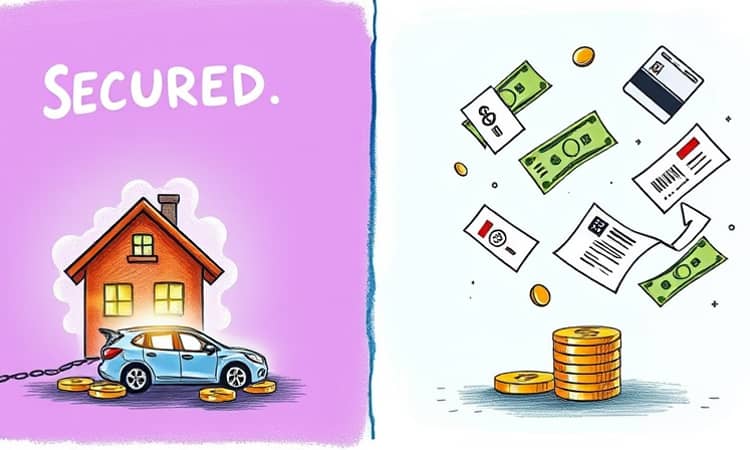
Every major financial decision carries weight, and choosing the right loan can be the difference between achieving your dreams and facing unexpected setbacks. Whether you’re saving for a home, financing a vehicle, or consolidating debt, understanding how secured and unsecured loans work is crucial.
At its core, the distinction comes down to collateral. This simple concept drives interest rates, approval timelines, and the risks you face as a borrower. By exploring these differences in depth, you can empower your financial future and make a confident choice tailored to your goals.
Understanding Collateral: The Key Distinction
Collateral is an asset of value that you pledge as security for a loan. For secured loans, lenders hold the right to seize this property if you default. This arrangement reduces lender risk, which often translates into more favorable terms for borrowers.
Unsecured loans omit this pledge, relying entirely on your credit history and financial profile. Without collateral, lenders face greater exposure and typically offset that by charging higher interest rates. From a borrower’s perspective, unsecured options offer no risk to personal assets, but at the cost of stricter credit requirements and potentially lower borrowing limits.
Advantages and Disadvantages Side by Side
This comparison highlights why secured loans often become the go-to choice for large purchases. The ability to borrow more at lower interest rates makes them appealing, but borrowers must never forget the collateral stake.
Qualifying for Secured and Unsecured Loans
Your eligibility requirements will vary significantly depending on loan type. Secured loans center on the value and condition of your collateral, while unsecured lending hinges on your credit profile and income stability.
- Value of collateral and loan-to-value ratio
- Credit history, often less stringent
- Income and employment verification
- Debt-to-income ratio benchmarks
- Credit score (580+ for basic approval)
- Clean credit history with low delinquencies
- Stable income and employment track record
- Low debt-to-income ratio
While secured options may open doors for those with imperfect credit, unsecured loans often reward borrowers with pristine records. Understanding your own profile will guide you toward the right application.
Interest Rates, Costs, and Default Consequences
Interest rates serve as a mirror reflecting lender risk. With secured loans, the presence of collateral allows rates to dip into the low single digits. Unsecured lending, in contrast, typically sits between 6% and 36%, with average rates hovering above 12%.
Additional costs can include appraisal fees, closing costs, or insurance for secured loans. Unsecured products often carry origination fees and steeper late-payment penalties.
Defaulting carries starkly different repercussions:
- Secured Loans: Repossession or foreclosure, credit damage, deficiency judgments
- Unsecured Loans: Credit score impact, collections activity, wage garnishment in severe cases
Understanding these stakes can help you weigh the true cost of borrowing and establish a repayment plan you can adhere to.
Choosing the Right Loan for Your Goals
Your life goals and risk tolerance dictate the ideal loan structure. Whether you’re aiming for a significant financial milestone or simply need quick funds, mapping your objectives against loan features brings clarity.
- Secured loans for large purchases and long-term financing
- Unsecured loans for smaller needs and fast access
- Secured for lower rates when assets are available
- Unsecured for no collateral risk and simpler applications
Ultimately, a mature financial plan balances ambition with caution. By aligning your borrowing strategy with personal circumstances, you position yourself for success and minimize unwelcome surprises.
Conclusion: Empowering Your Financial Journey
Secured and unsecured loans each offer unique pathways to funding your dreams. The choice boils down to balancing collateral risk against interest savings, and timing against convenience.
Equipped with a deep understanding of these loan types, you can approach lenders confidently, negotiate terms that suit your needs, and build a repayment strategy that safeguards your assets and reputation. Every loan is more than a transaction—it’s a step toward your future. Choose wisely, borrow responsibly, and watch your financial aspirations come to life.
References
- https://www.investopedia.com/secured-vs-unsecured-loans-7558592
- https://www.nerdwallet.com/article/loans/personal-loans/secured-vs-unsecured-loans
- https://www.pnc.com/insights/personal-finance/borrow/secured-vs-unsecured-loans.html
- https://www.transunion.com/article/unsecured-vs-secured-loans
- https://www.experian.com/blogs/ask-experian/secured-vs-unsecured-loans-what-you-should-know/
- https://www.bankrate.com/loans/personal-loans/secured-vs-unsecured-personal-loans/
- https://www.investopedia.com/ask/answers/110614/what-difference-between-secured-and-unsecured-debts.asp
- https://www.onemainfinancial.com/resources/loan-basics/whats-the-difference-between-a-secured-and-unsecured-loan