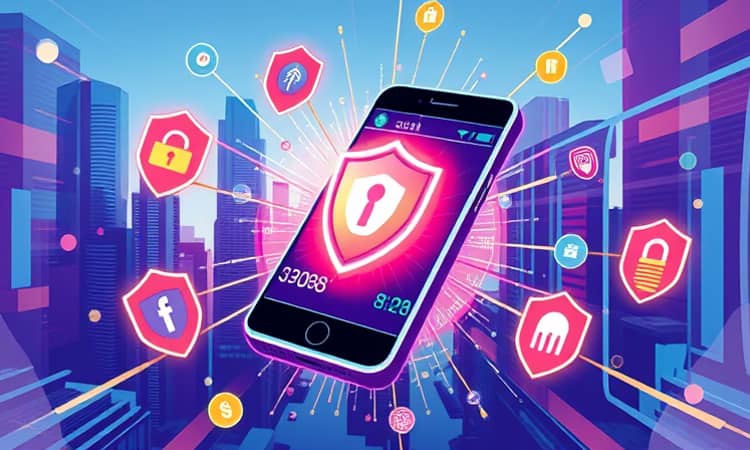
In an age where our smartphones double as wallets, protecting sensitive financial information has never been more critical. Mobile wallets offer unparalleled convenience, but without proper safeguards, they can expose us to fraud, theft, and privacy breaches. This guide will take you on a journey from basic device protections to advanced strategies, ensuring you feel confident and empowered every time you tap to pay.
By weaving together practical tips, emotional resonance, and forward-looking insights, you’ll discover how to fortify your mobile wallet against emerging threats and navigate the ever-evolving digital landscape.
Device Security Fundamentals
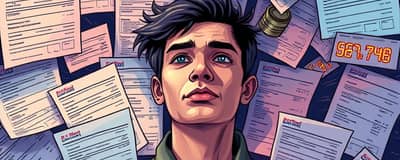
Your first line of defense lies in the very device you carry. Imagine the panic of losing your phone: beyond personal memories and contacts, it holds the keys to your finances. Protecting that device is non-negotiable.
Enable all built-in security features immediately. Use a strong passcode or PIN that is unique and different from your phone's primary code. Steer clear of easily guessed combinations like anniversaries or simple sequences.
Biometric locks—whether fingerprint scans or facial recognition—add an extra shield. While they may feel like a small step, they create an additional layer of reliable defense each time you authenticate a transaction.
Never leave your smartphone unattended in public areas or visible in an unlocked vehicle. Physical security breaches often begin with a momentary lapse in attention. Treat your device as you would cash—always within arm’s reach.
Authentication and Verification
Even the most secure passcode can be compromised. That’s why multi-factor authentication for enhanced protection is essential. By combining something you know (a password) with something you have (a one-time code) or something you are (biometric data), you dramatically reduce the chance of unauthorized access.
Strong password management goes hand in hand with MFA. Consider using a reputable password manager to generate and store complex, unique passwords for each wallet app. This eliminates the temptation to reuse a single password across multiple accounts, a practice that can be disastrous if one service is breached.
Regular Updates and Patching
Developers continually uncover and fix security vulnerabilities. By keeping your operating system and wallet applications up to date, you automatically inherit the latest protections. Enable automatic updates so you never miss a critical patch.
Skipping updates is akin to leaving a door ajar in your home. Even minor background improvements can thwart sophisticated attacks, making it far harder for criminals to exploit known weaknesses.
Advanced Security Best Practices
Beyond basic measures, seasoned users and developers alike must adopt a proactive stance. Vigilance can mean the difference between a blocked transaction and a costly breach.
- Enable transaction alerts for every linked credit card, ensuring you receive instant notifications of unusual purchases.
- Regularly review your credit card statements and linked device lists within your banking app to catch anomalies before they escalate.
- Set up email or SMS alerts whenever cards are added or removed from your wallet, so you remain in full control of card management.
Armed with real-time insights, you won’t be left wondering if an unauthorized purchase slipped through the cracks.
App Security and Source Verification
Not all apps are created equal. Download wallet applications exclusively from official app stores or the provider’s verified website. Third-party platforms or pirated downloads can harbor malware designed to skim credentials.
Developers should integrate anti-tampering technologies such as runtime application self-protection (RASP), integrity checks, and code obfuscation. These measures raise the bar for attackers, making it exponentially more difficult to inject malicious code or alter app behavior.
Backup and Recovery Strategies
Losing access to your wallet can be more than an inconvenience—it can disrupt daily life. Create secure, encrypted backups of your wallet data using cloud-based solutions you trust. This ensures you can restore your entire payment setup if your phone is lost, stolen, or damaged.
Test your recovery process periodically. A backup that fails when needed is as good as no backup at all. Make sure you know exactly how to retrieve your wallet credentials and re-establish your accounts.
Emerging Threats and Software vs. Hardware Security
As mobile wallets gain features like peer-to-peer transfers and subscription management, new vulnerabilities emerge. Relying solely on hardware security modules (HSMs) can leave gaps. Complement hardware protections with robust encryption and key management at the software level for a holistic security posture.
Recent studies highlight that convenience often trumps security. Family card sharing may seem practical but can inadvertently broaden attack surfaces. Future wallet designs must balance user-friendly features with airtight safeguards to prevent exploitation.
Hardware Wallets for High-Value Transactions
For cryptocurrency enthusiasts and users handling large sums, specialized hardware wallets provide a fortress-like environment for private keys. By isolating key generation and signing processes from internet-connected devices, hardware wallets deliver unparalleled protection for digital assets.
While not practical for everyday purchases, they are indispensable in securing long-term investments and high-stakes transactions.
Industry Trends and Future Directions
Regular security audits and penetration testing must become industry standards. Financial institutions that rest on legacy security assumptions risk falling behind rapidly evolving threats.
Looking ahead, wallets will integrate biometric behaviors, AI-driven fraud detection, and decentralized identity frameworks. These innovations promise to enhance security while maintaining the seamless experiences users crave.
However, technology alone cannot guarantee safety. It’s the combined effort of vigilant users, responsible developers, and proactive institutions that will shape a secure mobile ecosystem.
By mastering these strategies, you transform from a wary bystander into a confident custodian of your digital finances. Embrace these practices today, and let every tap, swipe, and scan be a testament to your commitment to security.
References
- https://www.bannerbank.com/financial-resources/blog/understanding-digital-wallets
- https://www.cryptomathic.com/blog/5-strategies-for-securing-mobile-wallets-insights-from-hardware-security
- https://www.fcc.gov/consumers/guides/mobile-wallet-services-protection
- https://techxplore.com/news/2024-08-reveals-loophole-digital-wallet-rightful.html
- https://www.nimbleappgenie.com/blogs/ewallet-security/
- https://www.investopedia.com/non-fungible-tokens-nft-5115211
- https://www.mcafee.com/blogs/internet-security/how-to-secure-your-digital-wallet/
- https://www.apple.com/newsroom/2025/02/apple-debuts-iphone-16e-a-powerful-new-member-of-the-iphone-16-family/