
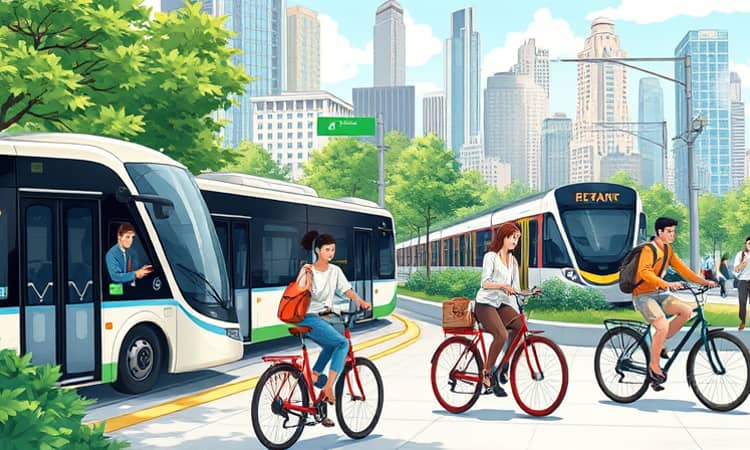
Rising fuel prices, vehicle maintenance fees, and daily wear and tear on your car can drain your wallet and your energy. Whether you’re an individual commuter or a business managing fleets, there are powerful strategies that can dramatically cut costs, reduce environmental impact, and unlock new efficiencies. This comprehensive guide offers practical steps backed by data, inspiring you to transform the way you move.
Personal Transportation Strategies
Choosing the right mode of travel can make a massive difference to your budget. According to the American Public Transportation Association (APTA), Americans could save approximately $13,000 annually by opting for public transit instead of a private vehicle. That translates to about $1,100 per month—money you can invest in experiences, savings, or essential expenses.
Since 2019, the average transaction price for new cars has risen by over $11,000 (more than 30%), and used car prices jumped by over $8,000 (40%). Meanwhile, gasoline prices climbed by 25% in 2023. With public transit fares holding steady since 2020, now is the perfect time to reconsider your daily commute.
In cities like San Francisco and Atlanta, drivers can pocket savings ranging from $12,000 to nearly $17,000 each year. Even in smaller metropolitan areas, the arithmetic of transit versus auto expenses overwhelmingly favors buses, trains, and subways.
Environmental Benefits of Public Transit
Cost savings are just the beginning. Switching to buses, subways, or trams can reduce an individual’s carbon dioxide emissions by as much as 30%. That’s a major step toward cleaner air, healthier communities, and a sustainable future. When more commuters shift away from single-occupancy vehicles, traffic congestion eases and cities become more livable.
Public transit systems are investing in electric and hybrid fleets, further amplifying these benefits. By supporting mass transit, you’re contributing to innovation that accelerates the transition to zero-emission travel.
Cost Reduction in Business Logistics
For companies that rely on transporting goods or maintaining service fleets, expenses can spiral without careful management. Implementing modern technologies and strategic partnerships is crucial to staying competitive.
- Route Optimization with AI: Intelligent planning tools analyze traffic, weather, and delivery windows to save companies up to 25% on transportation costs, as demonstrated by Swift Logistics’ 20% reduction in fuel usage and 30% faster deliveries.
- Freight Consolidation Techniques: Grouping shipments into fuller loads cuts down on trips and cuts logistics costs by up to 40% while accelerating delivery timelines.
- Outsourcing to Specialists: Partnering with third-party logistics providers lets businesses focus on core strengths while benefiting from expert handling, streamlined networks, and advanced tracking systems.
Sustainable Freight Transportation
Adopting green freight solutions not only aligns with corporate responsibility goals but also delivers measurable savings. Key approaches include:
- Utilizing cleaner engines and optimized routes that lower fuel consumption and emissions simultaneously.
- Partnering with eco-focused forwarders who prioritize efficient practices and carbon offset programs.
- Deploying electric vehicles for short-haul deliveries to reduce operating costs and enhance your brand’s public image.
- Exploring alternative fuels like hydrogen and LNG as infrastructure expands, paving the way for future savings.
- Leveraging advanced data analytics for precise load planning and scheduling to identify efficiency gains.
Tax Incentives for Greener Transport
Governments worldwide are encouraging cleaner energy use through attractive tax credits and incentives. In 2025, transportation and distribution companies can benefit from:
- Alternative fuel and alternative fuel mixture credit (valid through December 31, 2024)
- Biodiesel and renewable diesel credit (valid through December 31, 2024)
- Biodiesel mixture credit (valid through December 31, 2024)
- Second-generation biofuel incentives (valid through December 31, 2024)
- Alternative fuel vehicle refueling property credit (valid through December 31, 2032)
Additionally, constructing green buildings and upgrading facilities with energy-efficient designs can unlock further deductions and rebates.
Optimizing the Supply Chain
Reducing transportation costs often starts upstream. Businesses can:
Centralize procurement processes to negotiate bulk shipping rates, maintain consistency, and strengthen supplier relationships. Nearshoring or onshoring production can remove import tariffs, shorten lead times, and lower overall expenses. Embracing multimodal strategies—combining rail, road, sea, and air—ensures cargo moves through the most cost-effective and carbon-efficient routes.
Enhancing Public Transit Infrastructure
A well-designed transit network is the backbone of any cost-saving mobility plan. Effective systems feature:
Coordinated interchanges and timetables that allow seamless transfers between buses, trains, trams, and shuttles. Digital tools—like route planning apps and real-time service alerts—empower riders with up-to-the-minute information and mobile ticketing, making public transportation more accessible and convenient.
Investments in dedicated bus lanes, priority signaling, and expanded rail networks reduce delays, increase reliability, and encourage more commuters to make the switch.
Conclusion
Transforming your commuting and transportation approach isn’t just about cutting expenses—it’s about reshaping our cities, our businesses, and our planet. By embracing public transit, optimizing logistics, leveraging tax incentives, and supporting infrastructure improvements, individuals and companies alike can unlock significant savings.
Imagine a future where your daily commute is stress-free, cost-effective, and environmentally friendly. Take action today: explore local transit options, pilot AI-driven route planners, and advocate for policies that prioritize sustainable mobility. Every step you take toward smarter commuting shapes a more prosperous, resilient world for all.
References
- https://flow.space/blog/reducing-supply-chain-and-logistics-costs/
- https://www.supplychaindive.com/spons/cost-saving-strategies-youll-want-to-implement-in-2025/748141/
- https://www.jusdaglobal.com/en/article/10-tips-to-reduce-logistics-costs-2025/
- https://lumenalta.com/insights/a-guide-to-sustainable-freight-transportation
- https://www.claconnect.com/en/resources/blogs/logistics/top-tax-strategies-for-transportation-distribution-and-logistics
- https://cities-today.com/public-transport-could-save-americans-13000-per-year/
- https://en.wikipedia.org/wiki/Public_transport
- https://mercurygate.com/blog-posts/overcoming-top-challenges-in-transportation-and-logistics-insights-2025/