
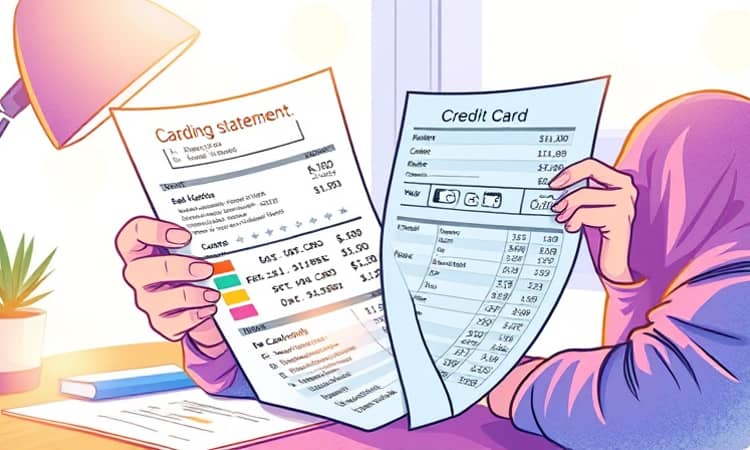
Your credit card statement is more than just a bill—it’s a roadmap to your financial health. Understanding each section can help you make informed financial decisions, avoid late fees, and optimize your credit score. In this comprehensive guide, we’ll break down every key component of your statement and share practical tips to use it effectively.
Account Details: The Basics
The first section of your statement lists your name and address, account number, and billing dates. These details ensure you’re reviewing the correct account and help you track when the billing cycle starts and ends.
Pay attention to:
- Account number—confirm it matches your records.
- Billing cycle dates—note the statement closing date.
- Contact information—keep customer service details handy.
Account Summary: Your Financial Snapshot
This summary shows how your balance changed from the previous month to the current closing date. It essentially illustrates the equation:
previous balance plus new charges minus payments equals new balance.
Key fields include:
- Previous balance
- Payments and credits received
- New purchases
- Interest charges and fees
- New balance
- Credit limit and available credit
By reviewing this section, you’ll see at a glance where your money went and how much you still owe.
Payment Information: Staying on Track
The payment section outlines the minimum payment amount and due date. It also includes warnings about late payments and instructions for mailing or paying online.
Missing the due date can trigger late fees and higher interest rates. Always aim to pay at least the minimum by the payment due date and grace period to avoid extra charges.
Transactions and Activity: Detailed Breakdown
Here you’ll find a line-by-line list of every transaction during the billing cycle:
- Date of transaction
- Merchant name or description
- Transaction amount
- Type: purchase, credit, cash advance, etc.
Regularly review this section to review all transactions for errors or fraudulent charges. If something looks suspicious, contact your card issuer immediately to dispute it.
Interest Charges and Fees: What You’re Paying
If you carry a balance, interest charges will appear here. This section breaks down rates by transaction type and lists any fees assessed, such as annual or late fees.
Common fees include annual fees, late fees, cash advance fees, and foreign transaction fees. Watching these can help you choose the best cards and avoid unexpected costs.
Rewards Summary: Tracking Your Benefits
If you have a rewards card, this section shows how many points or cash back you’ve earned. You’ll see a breakdown by spending category and the total rewards available for redemption.
Use this information to maximize your benefits—focus spending on categories with higher reward rates or redeem points before they expire.
Important Dates and Deadlines
Mark these on your calendar:
- Statement closing date: end of billing cycle.
- Payment due date: avoid late fees by paying on time.
- Grace period: interest-free window if you pay in full.
Missing these dates can cost you dearly in interest and penalties.
Tips for Using Your Statement Effectively
Beyond reading each line, here are practical ways to leverage your statement:
- Monitor changes in interest rates—adjust spending if rates rise.
- Track your spending patterns—identify areas to cut back.
- Allocate payments strategically—target high-interest balances first.
- Keep records for disputes—save statements digitally or in print.
- Set up alerts—receive notifications for due dates or balance thresholds.
Digital Statement Features: Convenience and Control
Most issuers offer online and mobile access to statements. You can download PDFs, review archived cycles, and set up email or text alerts.
Paperless statements reduce clutter and give you real-time insights. Make sure to register your email and mobile number with your issuer to stay informed.
By mastering each component of your credit card statement, you’ll gain greater control over your finances and build healthier spending habits. Treat each statement as an opportunity to learn, adjust, and improve your credit profile.
References
- https://www.equifax.com/personal/education/credit-cards/articles/-/learn/how-to-read-credit-card-statement/
- https://www.nerdwallet.com/article/credit-cards/read-credit-card-statement
- https://www.chase.com/personal/credit-cards/education/basics/how-to-read-understand-credit-card-statement
- https://mycreditunion.gov/manage-your-money/consumer-loans-credit-cards/credit-cards
- https://gravitypayments.com/blog/how-to-read-a-credit-card-statement/
- https://www.chase.com/personal/credit-cards/education/basics/common-credit-card-fees
- https://www.experian.com/blogs/ask-experian/how-to-read-credit-card-statement/
- https://www.bankrate.com/credit-cards/advice/guide-to-reading-your-monthly-statement/