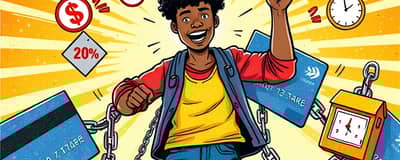

Your credit score is more than just a number; it’s a gateway to opportunities, whether you’re buying a home, leasing a car, or securing a low-interest personal loan. Yet, one of the most misunderstood factors influencing that score is credit utilization—how much of your available revolving credit you’re using at any given time. Understanding and controlling this metric can transform your financial life, laying the foundation for journey to financial empowerment.
Understanding Credit Utilization
Credit utilization is expressed as a percentage: divide your total revolving balances by your total credit limits, then multiply by 100. A utilization rate of 30% means you’re using 30 cents of every dollar available to you. While the formula itself is straightforward, its implications are profound.
When lenders and scoring models see a high utilization ratio, they perceive greater risk. It suggests you may be overextended, potentially jeopardizing your ability to repay new debts. Conversely, maintaining a low ratio signals strong financial management skills and a responsible approach to borrowing.
The Weight of Utilization in Your Score
Credit scoring models assign significant weight to utilization because it provides a snapshot of your current debt load relative to your capacity. In fact:
- Utilization accounts for approximately 30% of your FICO score.
- It represents nearly 20% of your VantageScore.
- Payment history remains first at 35%, but utilization is the significant factor in credit scores that follows.
These percentages mean that controlling your usage can unlock potentially boost scores by ten to fifty points in a remarkably short time frame, compared to other factors that require long-term consistency.
How Different Utilization Levels Affect You
The relationship between utilization and score impact is nonlinear. Small changes at lower rates yield disproportionately positive effects, while high rates can trigger steep declines.
Consider this real-world snapshot: consumers with credit scores above 720 averaged just over 10% utilization, while those below 580 hovered around 75%. The contrast underscores how controlling utilization can be a game-changer.
Strategies to Optimize Your Utilization
Transforming your utilization ratio isn’t an overnight miracle, but with deliberate steps you can see rapid improvements:
- Pay down high balances early in the billing cycle, not just at statement time.
- Increase your credit limits through issuer requests or by opening new accounts responsibly.
- Spread balances across multiple cards to avoid a single high-utilization account.
- Monitor your accounts regularly, setting alerts when balances approach thresholds.
Each of these tactics speaks to the heart of remarkable long-term score improvement. A combination of timely payments and balanced usage builds momentum for sustained credit health.
Timing and Modern Scoring Models
Traditional scoring approaches rely on the most recent report of balances and limits. This means that if you pay down your balances before the statement closing date, you can see a swift score improvement the next month.
However, newer models like VantageScore 4.0 and FICO 10 T add nuance by analyzing utilization trends over several months. They reward consistent low usage more than sporadic dips, highlighting the power of sustained good habits rather than one-time fixes.
Understanding which model lenders use for your desired credit application can fine-tune your strategy. But regardless of specifics, the principle remains: maintain low, steady utilization over time.
Putting It All Together: A Path to Financial Confidence
Your credit journey isn’t just about numbers; it’s about the freedom and opportunities those numbers unlock. By mastering credit utilization, you take control of a critical pillar of your credit profile. You move from reactive fear of high balances to proactive stewardship of your financial destiny.
Start by reviewing your current utilization. Identify accounts at risk of high usage and apply targeted paydowns. Automate payments, set personalized alerts, and celebrate each milestone as your utilization dips and your score climbs.
With each strategic move, you build not only credit score points but also confidence in your financial future. These small victories compound, opening doors to lower interest rates, premium credit offers, and the peace of mind that comes from knowing you’re in command of your money story. Embrace the journey and let the power of credit utilization guide you to new heights of possibility.
References
- https://www.experian.com/blogs/ask-experian/credit-education/score-basics/credit-utilization-rate/
- https://www.equifax.com/personal/education/debt-management/articles/-/learn/credit-utilization-ratio/
- https://www.creditkarma.com/credit/i/credit-card-utilization-and-your-credit-score
- https://www.capitalone.com/learn-grow/money-management/credit-utilization-and-credit-score/
- https://www.cbsnews.com/news/how-credit-utilization-affects-your-credit-score-and-what-to-do-about-it/
- https://www.lfcu.org/news/managing-money-credit/understanding-credit-utilization-how-it-impacts-your-score/
- https://www.lendingtree.com/credit-repair/credit-utilization-ratio/
- https://www.bankrate.com/credit-cards/advice/credit-utilization-ratio/